What Does S1 S2 S3 Mean on Ski Goggles? A Complete Guide for Skiers

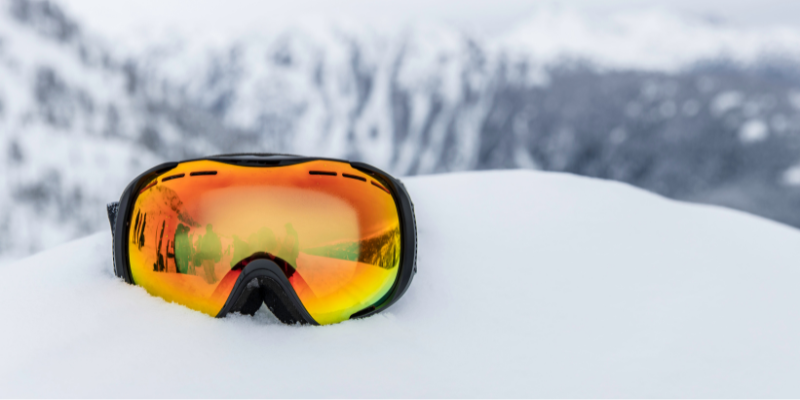
Welcome to Ski Gear Guide – your trusted resource for skiing equipment reviews, expert tips, and gear guides for everyone from beginners to advanced skiers. In this comprehensive article, we’ll dive into what the labels S1, S2, S3 (and the full scale) mean when you’re shopping for ski goggles, how they relate to weather and light conditions, and how to pick the right goggles for your skiing adventure.
Why lens category matters
When you strap on your skis and head up the lift, one of the most important—but often overlooked—pieces of gear is your goggles. The slope may be dazzling bright or flat and cloudy, and that matters. The lens you choose can significantly affect how clearly you see terrain, bumps, snow texture and tree shadows.
That’s where lens categories such as S1, S2, S3 (and sometimes S0, S4) come in, guiding you based on the amount of visible light the lens lets through (commonly expressed as VLT — Visible Light Transmission). Getting this right improves safety, comfort and enjoyment on the mountain.
Understanding lens categories & VLT
What is Visible Light Transmission (VLT)?
VLT is a percentage that indicates how much visible light passes through the lens material and reaches your eyes. A higher VLT means more light gets through; a lower VLT means the lens is darker, blocking more light.
The S-scale for snow goggles
On many ski goggles you’ll see a category label such as S1, S2, S3 (sometimes S0 or S4 as extremes). The “S” stands for snow/ slope use. These categories map to approximate VLT ranges and ideal lighting conditions. For example:
- S0: VLT over ~80% – suited for night skiing or extremely low-light/fog conditions.
- S1: VLT roughly ~43-80% – suited for overcast, foggy, low-light days.
- S2: VLT roughly ~18-43% – suited for mixed/variable weather (part sun, part cloud).
- S3: VLT roughly ~8-18% – suited for bright sunny days, high glare off snow.
- S4: VLT < ~8% – for very bright, high-altitude glacier or spring-shine conditions.
Check out : 10 Best Anti-fog Ski Goggles
Why the category matters
Choosing a lens with the wrong VLT/ category can create problems: if you’re wearing a very dark lens (low VLT) in flat light you’ll struggle to see terrain features; if you’re wearing a light lens (high VLT) in bright sun you’ll be blinded by glare and snow reflection. Matching the lens to the conditions maximises both comfort and control.
What S1, S2 and S3 mean – practical guide
S1 – low-light & overcast conditions
Lenses in the S1 category (high VLT ~43-80%) are designed for days with little sunlight: heavy cloud cover, fog, early morning, late afternoon, wooded slopes. Their lighter tint lets more light through, aiding your ability to see shadowy terrain and snow texture.
When to use S1:
- Overcast, flat-light days
- Tree runs or shaded slopes
- Pre-dawn or twilight skiing
- Beginners who want maximum visibility
S2 – mixed or variable conditions
S2 category lenses (moderate VLT ~18-43%) hit the sweet spot for many skiers. They’re versatile enough to handle partly cloudy skies, sun-and-shadow terrain, and frequent weather changes.
When to use S2:
- Mixed weather (sun and cloud)
- Forest runs where light changes often
- One-lens-fits-most comfort
- Intermediate to advanced skiers who encounter variable conditions
S3 – bright sun and high glare
When the slope is bathed in sun, the snow reflects high amounts of light, and you’ll benefit from a darker lens. S3 lenses with low VLT (~8-18%) reduce glare and protect your eyes so you can focus.
When to use S3:
- Bluebird days on open slopes
- High-altitude resorts/glaciers
- Spring skiing with direct sunlight
- Sensitive eyes or long exposure
Choosing between them – what to keep in mind
- Know your typical environment: If you ski in tree-lined runs and forest slopes, you’ll often need higher VLT (S1) vs someone skiing open high-alpine terrain (S3).
- Consider changing conditions: If weather changes, you may want two lenses or an interchangeable system.
- Comfort & contrast matter: Don’t pick solely based on category; colour tint, contrast enhancement, lens shape and coating all affect how well you see terrain.
- Budget vs convenience: A one-lens (e.g., an S2 “all-conditions” lens) may do most of the job if you don’t want to swap lenses.
Benefits of correct lens choice
- Improved contrast and terrain definition: Proper lens tint helps your eyes pick up bumps, ridges, ice patches or moguls.
- Reduced eye fatigue and glare: Especially on bright days, using the right dark lens reduces squinting, stress and risk of missing hazards.
- Enhanced safety: Better visibility means better reaction time and better line choice.
- More enjoyment and confidence: You’ll feel more in control on varied terrain if your vision is sharp.
- Longer slope time: When your eyes are comfortable, you’re less likely to call it quits early.
Usage tips & gear considerations
Switching lenses vs one lens fits all
- Interchangeable lenses: Many goggles allow you to swap lens cartridges, so you can carry an S1 and S3 lens and switch mid-day. Great flexibility but higher cost/complexity.
- One-lens compromise: If you prefer simplicity, choose a mid-range lens (S2) which handles mixed conditions reasonably well. Many skiers use this successfully.
- Photochromic lenses: Some lenses automatically adjust – e.g., transition from S1 to S2 to S3 levels as light changes. For example, UVEX offers “variomatic” technology for S1-S3.
Lens shape and coatings matter
- Cylindrical vs spherical vs toric: Lens curvature affects distortion and field of view.
- Anti-fog / ventilation: Ensures your lens stays clear even when exerting yourself or using a mask/helmet.
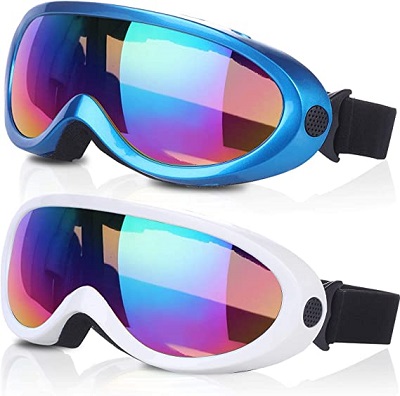
- Mirror/reflective/coating treatments: Help reduce glare, especially in sun and snow reflection conditions.
- Fit & compatibility: Ensure the goggles work well with your helmet, you don’t get gaps, and if you wear glasses (OTG) that’s accounted for.
Practical on-mountain tips
- Check the forecast/light: If you know clouds will dominate early, start with an S1 lens and swap when sun comes out.
- Carry a spare lens: If you have two lenses you’ll be ready for any shift in conditions.
- Clean and store properly: Lens clarity matters — smudges, scratches or condensation will negate your category benefits.
- Don’t ignore colour and contrast: Two S2 lenses may both list “S2” but a rose-tinted one may enhance terrain better than a plain grey tint in your environment.
- Visibility in flat-light: On overcast days, bright snow + low contrast make it tough — a higher VLT lens (S1) with contrast enhancing tint (rose, yellow) can help.
- Avoid using too dark lens (S3) in poor light: Your visibility will suffer and you might misread terrain.
Common Questions (FAQs)
Many skiers do. S2 is the “sweet-spot” middle category for mixed conditions, so if you only want one lens, S2 is a strong choice. However it won’t be optimal in extreme low-light or full direct sun compared to S1 or S3 respectively.
The category tells you light transmission (VLT) but the colour tint (amber, rose, grey, green) influences contrast and colour perception. For example, rose or amber tints improve terrain definition in flat light; grey is more “neutral”.
Yes, for extremes. S0 (very high VLT) is designed for very low-light/night skiing. S4 (very low VLT) is for extremely bright conditions (glacier, high alpine). For most resort use S1-S3 suffice.
If conditions change (sun comes out, clouds roll in) switching improves your visibility and comfort. If you don’t want to switch, choose an all-conditions lens and accept some compromise.
It matters. Premium brands offer superior optics (less distortion), better coatings (anti-fog, scratch), and nicer lens-swap systems. For serious skiers these improvements can be worthwhile.
Trends & what’s new in ski-goggle lens tech
- Photochromic/auto-darkening lenses: Some lenses adapt to changing light levels, effectively covering across S1 to S3 ranges automatically. (e.g., UVEX variomatic)
- Contrast-boosting tints: Lens manufacturers are focusing on enhancing terrain definition in difficult flat-light conditions, beyond mere category labelling.
- Magnetic lens swap systems: For faster, easier mid-day lens changes.
- Improved anti-fog and ventilation integration: As skiers push harder on variable terrain, optics clarity becomes more critical.
- Eco-friendly materials and coatings: Some brands are moving toward more sustainable lens/frame production.
- Greater consumer education: More blogs/articles (like this one!) helping skiers understand lens tech rather than simply relying on fashion/tint.
Conclusion & recommendation
Choosing the right lens category on your ski goggles isn’t just about style—it’s about performance, safety and enjoyment on the mountain. At Ski Gear Guide, our recommendation is:
- If you ski mostly in cloudy, forested or late-day conditions: prioritize an S1 lens (or similar high VLT).
- If you ski in mixed conditions (sun + cloud + tree runs): go for an S2 lens as your all-rounder.
- If you ski in bright sun, open slopes or high altitude: make sure you have an S3 (or even S4) lens to cut glare and maintain comfort.
- If possible, carry two lenses or choose a photochromic system so you’re ready for whatever the weather sends your way.
Whatever your ability—from beginner carving your first turns to advanced back-country charging—having the correct lens for the light will help you see better, ski with more confidence and enjoy every run.
Ready to pick the right ski goggles for your light conditions? Visit our Ski Gear Guide goggles reviews section for top-rated models, lens-swap systems, and detailed comparisons by category (S1/S2/S3) and brand. See you on the slopes—clear vision, smooth turns, great gear!