Skiing With Multiple Kids: How to Juggle Gear, Lessons and Lifts


One child on skis is a project. Two or three is a logistics operation: six mittens, a pile of boots, different ability levels and a chairlift that only holds so many people. Skiing with multiple kids is absolutely doable, though, and it gets easier every season once you have a system.
This guide is a practical game plan for the 2026–27 season. It covers how to organize gear the night before, how many adults you really need, when lessons make sense, how to ride lifts with more kids than seats, and how to plan a day so the youngest and the fastest both have fun.
Start With the Adult-to-Kid Ratio
The single biggest factor in a smooth family ski day is how many capable adults are on the snow. Small children need hands-on help with boots, carrying skis, getting up after falls and riding lifts. Older kids who can ski independently need much less.
| Kids’ ages and level | Comfortable ratio | Why |
|---|---|---|
| Toddlers and preschoolers (first seasons) | 1 adult per child | They need carrying, help up after falls and close help on lifts |
| Young kids who can turn and stop | 1 adult per 2 kids | Two kids fit on a chair with one adult; lifts and bathroom trips get easier |
| Confident older kids and teens | 1 adult per 3 or more | They carry their own gear and can ride lifts on their own where resort rules allow |
Treat the table as a starting point, not a rule. A cautious 8-year-old may need more help than a bold 5-year-old. If you are outnumbered, that is usually the strongest argument for putting one or more kids in ski school for at least part of the day.
Organize Gear Like a Pit Crew
Most of the stress of skiing with several kids happens before anyone clicks into a binding. A few habits make mornings much calmer.
Give every child a color or a bag
Assign each child a color: their own bin, boot bag or labeled tote. Socks, base layers, mittens, neck gaiter and goggles go in that bag the night before. When it’s time to get dressed, each kid works from their own pile instead of a shared heap on the floor. A good ski boot bag with separate compartments works well for older kids who can pack their own.
Label everything
Kids’ mittens, helmets and goggles look alike, and in a busy lodge they wander. Put a name or initials on helmets, gloves, boots and skis with a paint pen or labels. It also helps ski school staff hand the right gear back to the right child.
Pack spares for the most-lost items
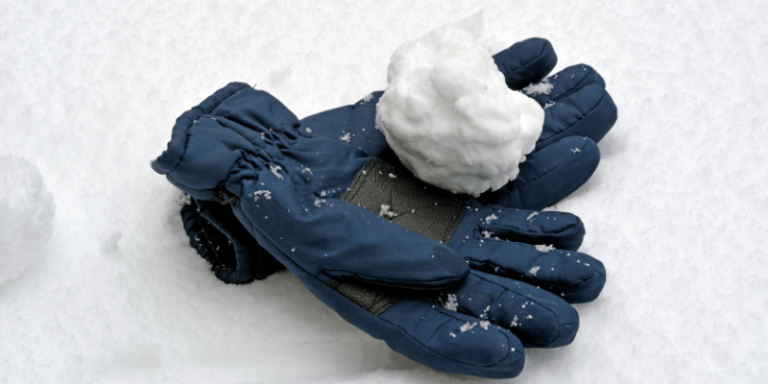
Bring at least one spare pair of mittens or gloves, a spare neck gaiter and a spare pair of ski socks for the group. With multiple kids, someone will drop a mitten off the chairlift or soak a glove making snowballs. See our best kids ski gloves.
Dress in the right order
Put base layers and ski socks on at home or in the room. At the resort, do boots before jackets, because kids overheat and get cranky while you buckle boots for someone else. Our guide on how to dress kids for skiing walks through every layer.
Plan who carries what
Small kids can’t carry their own skis far. Decide in advance: one adult carries the little ones’ skis, older kids carry their own skis and poles. Many families skip poles for young children entirely, which means less to carry and fewer things to drop.
Lessons: Who Goes, and When
When kids have different ages and abilities, ski school is often what makes a family trip work. It isn’t only about learning faster; it frees adults to give one child their full attention while the others are in good hands.
- Put the beginners in lessons first. The first days on snow are when kids need the most hands-on help, and instructors are trained to teach the basics.
- Book early on busy dates. Kids’ group lessons often fill up on holiday weeks and weekends, so reserve ahead where the resort allows it.
- Check what’s included. At many resorts lessons, lift tickets and rentals are sold separately. Confirm whether your child needs a lift ticket for the lesson.
- Siblings don’t have to be together. Ski schools group by age and ability. Siblings in separate groups usually progress better than a mismatched pair.
- Use lesson time well. While younger kids are in ski school, one adult can ski with the older kids on terrain they’d otherwise never get to.
If lessons aren’t in the budget every day, consider one or two at the start of the trip, then practice what the kids learned on easy green runs for the rest of the week.
Riding Chairlifts With More Kids Than Adults
Lifts are where the ratio really matters. Every resort sets its own rules for children on chairlifts, and many have a height or age guideline for when a child must ride with an adult. Thresholds vary, so check the lift safety page of the resort you’re visiting before you arrive.
General chairlift tips for families
- Load small children on the side closest to the lift attendant, so staff can help if needed.
- Make sure every child sits all the way back on the seat before the chair leaves the loading area.
- Lower the safety bar once everyone is seated, keep it down for the whole ride, and raise it only where signs tell you to.
- Take off backpacks before loading and hold them on your lap.
- Don’t hesitate to ask the lift attendant for help or to slow the lift. That’s part of their job.
- Teach kids that if they miss the unload spot, they stay seated. The operator will stop the lift and help them off.
Splitting kids across chairs
With two adults and three or four kids, work out the seating plan before you reach the lift: who rides with whom, and who goes first. A simple routine like ‘Mom with the two little ones, Dad with the big kids’ avoids last-second shuffling in the maze. When an adult rides alone with a small child on a quad chair, other guests may be loaded with you, so make sure your child knows to sit still and hold on.
For very young skiers, a kids ski harness can help an adult control speed on the first green runs. It’s a learning aid on the slope, not something to rely on during loading. Ask the lift staff how they want you to handle any leash or handle when you load.
Plan a Day That Works for Every Age
Kids of different ages run out of energy at different times. A plan that splits and rejoins the group keeps everyone happier than dragging the whole family along at the slowest or fastest pace.
| Time | What works with several kids |
|---|---|
| Early morning | Get to the resort early, boots on in the car or lodge, first runs on easy terrain while it’s quiet |
| Mid-morning | Little ones in lessons or on the beginner area; older kids ski with one adult |
| Lunch | Eat a little early or a little late to avoid the busiest lodge hours; dry gloves and swap layers |
| Early afternoon | Short family runs together on terrain everyone can ski |
| Mid-afternoon | Youngest kids done for the day; one adult takes them to the lodge or home, the other keeps skiing with the older kids |
Set a meeting point
Pick one easy-to-find meeting spot – the base of a specific lift, a trail map board or the lodge entrance – and make sure every child old enough to understand knows it. Older kids with phones should keep them charged and in a zipped, inside pocket, and younger kids can carry a card with a parent’s phone number inside their jacket.
Pick the right terrain
Family runs should match the weakest skier in the group. When the stronger kids get bored, split up: an adult and the advanced kids take a harder run and meet the others at the bottom of the same lift.
Build in breaks
Cold, hungry kids melt down fast, and with several kids one meltdown spreads. Schedule a snack and warm-up break every hour or two for little ones. Hot chocolate is a powerful motivator.
Choose a Resort That Makes It Easier
Some mountains are much easier with several children than others. Look for a separate beginner area with a carpet lift, a well-run kids’ ski school, slopeside lodging or a short walk from parking, and plenty of green and easy blue terrain served by the same lifts. Our list of top family-friendly ski resorts is a good place to start.
Quick Checklist for Skiing With Multiple Kids
- One bag or bin per child, packed the night before
- Names on helmets, gloves, boots and skis
- Spare mittens, gaiter and socks for the group
- Snacks, water and sunscreen in an adult’s pocket or pack
- Lessons booked for beginners on busy dates
- Lift seating plan agreed before you reach the lift
- Meeting point and phone numbers known by every child
Skiing With Multiple Kids FAQ
Can one adult take two kids skiing?
Yes, if both kids can turn, stop and get up on their own. With beginners or toddlers, one adult per child – or ski school for one of them – is much safer and less stressful.
Can two children ride a chairlift with one adult?
Usually, yes. A common setup is the adult in the middle or beside the smaller child. Resort rules for children on lifts vary, so check the policy at the resort you’re visiting and ask the lift attendant if you’re unsure.
Should siblings take ski lessons together?
Only if they are a similar age and level. Ski schools group kids by age and ability, and siblings often do better in separate groups where neither one is held back or pushed too hard.
How do I stop losing kids’ ski gear?
Label everything, give each child their own bag or color, and do a quick gear count at every break. Clip mittens to jacket sleeves for the youngest kids.
Related guides: kids ski size chart and best ski helmets for kids.